2026-11-18 · 8 min read · Scottsdale
Should You Permit Past Work Before Selling Your Scottsdale Home?
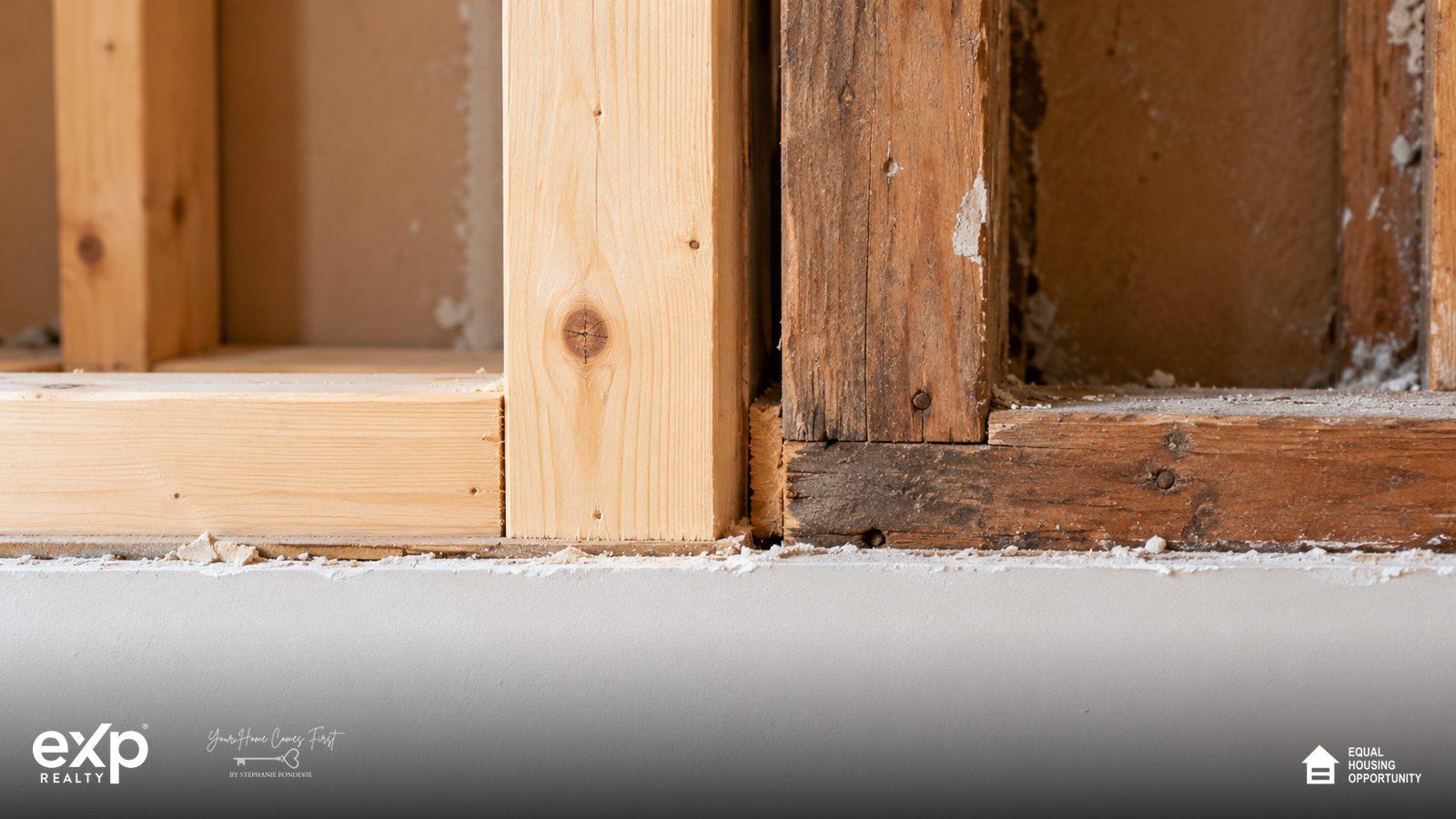
Should you permit it, or just disclose it?
Sometimes you should permit it, sometimes disclosure is enough, and the deciding factor is usually what a buyer's lender, appraiser and inspector will do with it. Work that adds living space, touches electrical, gas or structural elements, or sits where a buyer will clearly notice it is the strongest candidate for an after-the-fact permit. Minor work that would not have needed a permit, or older work that is clearly documented and safe, may only need honest disclosure.
What you cannot do is ignore it. Arizona sellers generally disclose known material facts, and the standard Seller's Property Disclosure Statement asks about work done without permits. Saying nothing does not make the work go away. It just moves the problem into escrow, where it costs more to solve.
Stephanie Pondevie is a Realtor in Scottsdale, Arizona, helping move-up families sell their current home and buy the next one as one coordinated plan.
What counts as unpermitted work in Scottsdale homes?
Scottsdale homes see a familiar list:
- A garage converted to a game room or bedroom.
- An enclosed patio that became an Arizona room.
- A casita or guest house added in the backyard.
- A large covered patio, ramada or outdoor kitchen with gas and electrical.
- Pool and spa equipment, heaters or barrier changes.
- Kitchen or bath remodels that moved plumbing, gas lines or walls.
- Electrical panel upgrades, solar installs or EV chargers.
- Water heater replacements and HVAC change-outs.
Some of these clearly required a permit. Some may not have, depending on scope and the code in effect when the work was done. The City of Scottsdale is the authority on what required a permit and what an after-the-fact permit involves for your specific property, so start there rather than guessing.
How does unpermitted work usually come up?
It rarely stays hidden.
The buyer's inspector notices. Inspectors are trained to spot additions that do not match the original build, electrical work that looks like a homeowner did it, and patio enclosures that are not finished like the rest of the house.
The square footage does not match. If the county assessor record shows one number and your listing shows a larger one, buyers and appraisers ask why.
The appraiser will not count it. Appraisers may exclude unpermitted living space from gross living area, which can affect value.
The lender asks. Some loan programs have specific requirements for additions and accessory units, and an appraiser's note can trigger lender conditions.
The buyer's agent pulls the permit history. Many agents check permit records as part of due diligence on a higher-priced home.
In Scottsdale's price range, that diligence is normal. As of October 2026, Scottsdale's median sale price was $981,305, up 10.9% from a year earlier, and homes sold for 94.3% of their original list price, according to ARMLS. Buyers spending close to a million dollars look closely, and their agents check records.
What does an after-the-fact permit actually involve?
The process varies by project, and the City of Scottsdale sets the requirements. In general, expect some version of these steps:
1. Find out what exists on record. Pull your property's permit history so you know what was permitted, what was not, and what may predate permit requirements. 2. Get the work documented. Some projects need drawings or plans prepared for the existing condition. 3. Submit an application for the existing work. 4. Inspection. Inspectors may need to see inside walls, ceilings or trenches, which can mean opening finished surfaces. 5. Corrections. If the work does not meet the code the city applies, you may need to bring it up to standard. 6. Final approval and a record you can show a buyer.
Timing is the big unknown. A simple item might move quickly. A garage conversion or casita can take much longer, especially if corrections are needed. If you are planning to list, start this conversation with the city months ahead, not weeks.
When is permitting worth it, and when is disclosure enough?
Think of it as a cost comparison rather than a moral question.
Permitting tends to make sense when:
- The work added square footage that you want buyers and appraisers to count.
- It involves gas, electrical, structural changes or a pool barrier, where safety is the core concern.
- The work is large enough that a buyer's lender is likely to care.
- You have time before listing, and the cost is reasonable compared with the price impact of leaving it.
Disclosure alone may be reasonable when:
- The work was minor and may not have required a permit at all.
- The work is old, visibly sound, and an inspector is likely to treat it as a note rather than a defect.
- The cost of permitting, including opening walls and corrections, is greater than the value it protects.
- You are pricing the home with that space excluded or discounted, and the buyer knows it.
Other options sit in between:
- Remove or restore the work. Sometimes returning a space to its original use is cheaper than permitting it.
- Get an independent evaluation. A licensed contractor or engineer can assess whether the work appears sound, which gives a buyer more confidence even without a permit.
- Offer a price adjustment or credit. Some sellers choose to price the risk in rather than fix it.
Whatever you choose, disclose accurately. Your agent can help you describe the situation on the SPDS, and an attorney can advise on your disclosure obligations if the situation is complicated.
What would that look like for a real Scottsdale seller?
A hypothetical:
A seller in North Scottsdale enclosed a back patio years ago and added a mini-split. The room is finished nicely and they want to market the home at the larger square footage. The permit history shows the original house only.
Option one is to apply for an after-the-fact permit. That likely means drawings, an inspection that may require opening a wall to see framing and wiring, and possibly corrections. If it passes, the space can be marketed with documentation behind it.
Option two is to disclose the enclosure as unpermitted, market the home at the recorded square footage, and describe the room as a bonus space. Buyers can still see and value it. The appraisal is less likely to surprise anyone, because nobody is promising square footage that the record does not support.
Option three is to get a contractor's evaluation of the enclosure, disclose it as unpermitted with that report attached, and let the buyer decide.
None of those is automatically right. The answer depends on what each option costs, how long it takes, and how the price changes.
How should you run the numbers?
Let's run your real numbers, not a guess. For each unpermitted item, write down four figures: the likely cost of permitting it, including corrections and patching; the realistic time it takes; the price difference between marketing it as documented space and marketing it as disclosed bonus space; and the risk that a buyer asks for a credit or walks.
Laid side by side, those four numbers usually make the decision clear. In a market where sellers are giving up an average of nearly six percent from original list, a buyer who discovers an undisclosed issue in escrow has leverage you do not want to hand them.
For a move-up seller, there is one more input: your timeline for the next home. A permit process that runs past your purchase timeline can turn a cleanup project into a financing problem. Plan the two together.
What mistakes do Scottsdale sellers make with unpermitted work?
Leaving it off the SPDS and hoping nobody notices.
Marketing square footage that the county record does not support, without explaining why.
Starting the permit process two weeks before listing and then delaying the launch.
Assuming every past project needed a permit, and paying to permit something that did not.
Assuming nothing needed a permit because a contractor said it was fine.
Pulling a permit, failing inspection, and not budgeting for corrections.
Ignoring pool barrier and gas line work, where safety concerns matter most to buyers and inspectors.
The bottom line
Unpermitted work in a Scottsdale home is common and it is solvable. The choice is between documenting it with an after-the-fact permit, disclosing it accurately and pricing accordingly, or removing it. Permitting is usually worth it for added living space and for anything involving gas, electrical, structural or pool safety. Disclosure may be enough for minor or older work.
With Scottsdale's median at $981,305 and buyers paying close attention as of October 2026, the worst outcome is discovery in escrow. Decide early, document what you can, and disclose what you know.
If you are planning a Scottsdale sale and want help sorting what to permit, disclose or leave alone, start at https://yourhomecomesfirst.com/opt-in or contact Stephanie at (480) 264-0075.
Stephanie Pondevie is a Realtor in Scottsdale, Arizona, helping move-up families sell their current home and buy the next one as one coordinated plan.
Frequently asked questions
Do I have to disclose unpermitted work when selling in Arizona?
Arizona sellers are generally expected to disclose known material facts, and the standard Seller's Property Disclosure Statement asks about work done without permits. If you know about it, plan to disclose it. For questions about your specific obligations, talk with a real estate attorney.
Will unpermitted square footage count in the appraisal?
Often it will not, or it will be valued differently from permitted living space. Appraisers follow their own guidelines and the lender's requirements, so the treatment can vary. Ask your agent to price the home based on what the record supports, with the extra space described honestly.
How long does an after-the-fact permit take in Scottsdale?
It depends on the project and whether corrections are needed. A simple item may be quick, while an addition or garage conversion can take considerably longer. The City of Scottsdale can give you the current process and expectations for your project.