2026-11-12 · 8 min read · Chandler
Your Chandler Listing Is Getting No Showings. What Now?
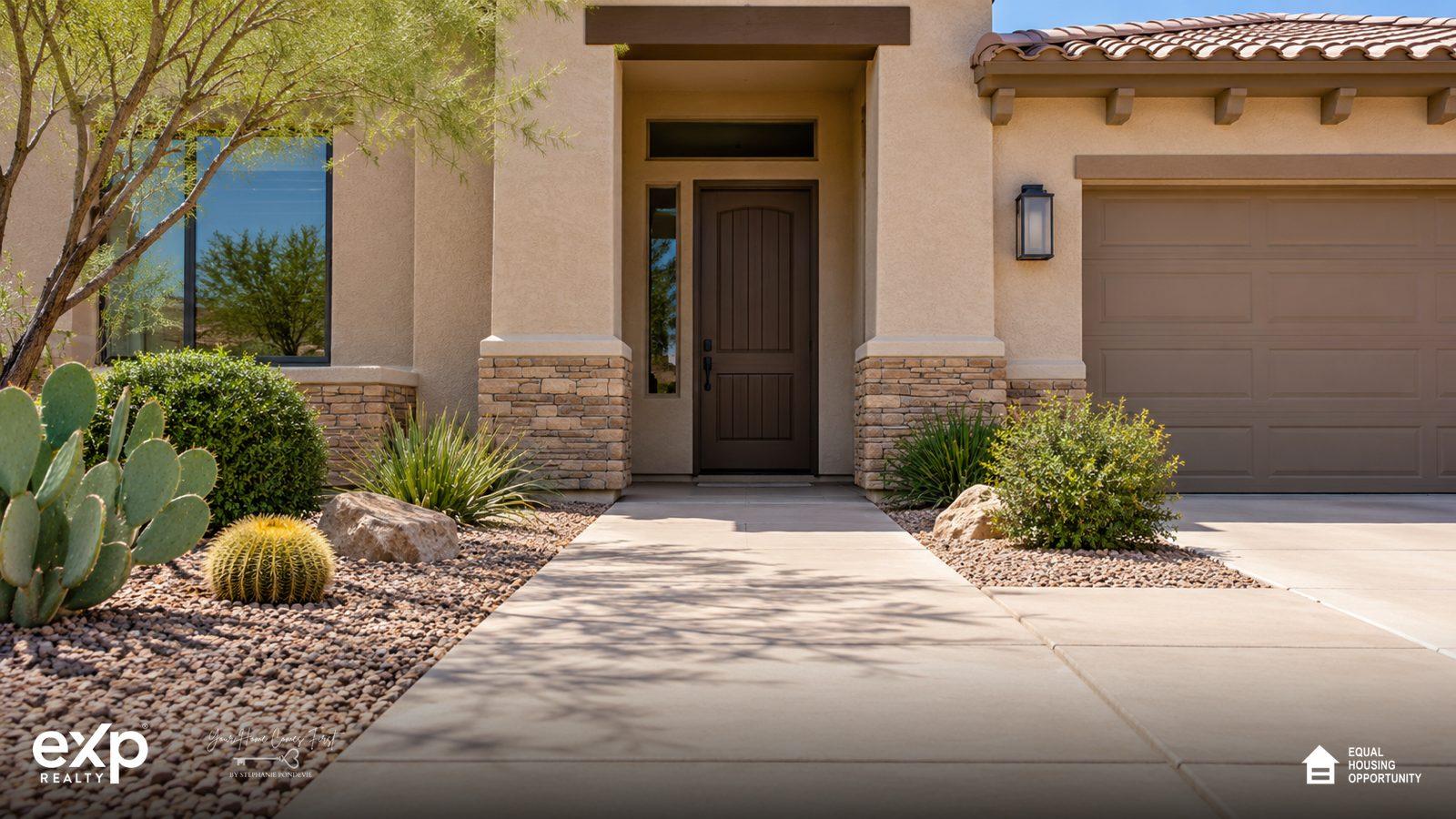
What does it mean when nobody is coming to see the house?
When a Chandler listing gets no showings, buyers are deciding against it before they ever leave their couch. They see it in search results, look at the price and the photos, compare it with the other homes on their screen, and move on. That narrows the problem to the things a buyer can see online: price relative to competing homes, the first few photos, the description, and how easy the home is to show.
This is different from a listing that gets showings but no offers. In that case buyers like what they see online and something in person changes their mind. With no showings, the online version is the problem.
The good news is that every one of those things can be changed this week.
Stephanie Pondevie is a Realtor in Chandler, Arizona, helping move-up families sell their current home and buy the next one as one coordinated plan.
How quiet is too quiet in Chandler right now?
Chandler is still the tightest of the three core East Valley cities, which makes a silent listing more telling. As of October 2026, Chandler had 3.27 months of supply, slightly tighter than a year earlier, with 801 active listings, according to ARMLS. The median home that sold in October went under contract in 39 days, faster than last year, and sellers received a median of 95.7% of their original list price. The year-to-date median sale price was $520,000, down 2.8% from 2025.
Put those together. Homes that are priced and presented well are moving in a little over a month. If yours has had little or no showing activity over a couple of weeks, that is not a slow market. It is buyers telling you something about how your home compares.
Why do listings get no showings?
There are five usual causes. Most stalled listings have one or two.
1. Price relative to the competition. Buyers do not compare your home to its value. They compare it to the other homes at the same price. If three similar Chandler homes are listed for less, or a better home is listed for the same, yours is the one they skip. Note that the median asking price on active Chandler listings was $544,999 in October while the year-to-date median sale was $520,000. Asking prices and selling prices are not the same thing.
2. The search bracket. Buyers filter by price in round numbers. A home listed just above a common cutoff can disappear from the searches of buyers who would otherwise love it.
3. The first photo. Most buyers decide whether to click based on the first image. A dim, cluttered or oddly angled first photo can sink an otherwise good listing.
4. The rest of the photos and the description. Missing rooms, too few photos, no backyard shot, or a description that reads like a list of features all make a listing feel weaker than the house.
5. Access. Restrictive showing windows, long notice requirements, a tenant who is hard to reach, or pets that need to be arranged around can quietly reduce showings. Buyers' agents book what they can get into.
How do you figure out which one it is?
Ask your agent for these, and look at them together:
- The listing's online activity. Views, saves and shares, where the agent can pull them. Lots of views and few saves suggests the photos or price are losing people once they look. Few views at all suggests the listing is not showing up where buyers search.
- A current competition sheet. Every active and pending home similar to yours, with price, size, condition and days on market.
- Recent closed sales. What similar homes actually sold for in the last few months.
- Showing requests that were declined or never confirmed. If buyers' agents are asking and not getting in, access is part of the problem.
- Feedback from any agents who have looked at it online. Some will tell your agent why their buyer passed.
Then look at your listing the way a buyer would. Open a search app, set a price range around your home, and scroll. Where does your home appear, and what do you see next to it?
What should you change first?
Fix the cheapest, fastest things first, then the expensive one.
Make the home easy to show. Widen showing windows, shorten notice, use a lockbox if you have been requiring appointments with you present, and have a plan for pets. This costs nothing.
Replace the first photo, and redo weak photos. If the photos were taken quickly, rescheduling professional photography is far cheaper than a price reduction. Lead with the strongest room or the exterior at its best light.
Rewrite the description. Lead with what makes this home different from the five next to it in search.
Check the bracket. If you are just above a common search cutoff, moving to just under it can put you in front of a new pool of buyers.
Then review the price. If the competition sheet shows similar homes priced below you or better homes priced the same, the price is part of the answer. A thoughtful adjustment, made once and made enough to matter, usually works better than several small ones.
You will always know what we know and what we don't
That is a promise I make every seller, and it matters here more than anywhere. A no-showing listing creates anxiety, and anxiety leads to guessing. Sellers start wondering whether the market has turned or whether something is wrong with the house.
What we know is measurable: where your home sits in search, what it competes with, what similar homes sold for, how easy it is to show. What we cannot know is exactly which buyer is out there or exactly when they will appear. So the job is to fix what we can measure and then give the market a fair window to respond before deciding the next step.
For a move-up seller, the stakes are bigger than the listing. Every week your home sits is a week your next purchase waits. That is why it is worth acting on the evidence quickly rather than hoping the next weekend is different.
A realistic scenario
Here is a hypothetical. A Chandler seller lists a three-bedroom home at a price chosen to leave room for negotiation. Two weeks pass with almost no showing requests. The listing has a reasonable number of views but very few saves.
The competition sheet shows four similar homes within a mile, three priced below this one, and two of those already pending. The first photo is the front of the house in harsh midday light. Showings require 24 hours' notice because the seller works from home.
The seller changes three things at once: same-day showing availability with a lockbox, a new photo set taken in better light, and a price adjustment that places the home just under the next search bracket and in line with the pending homes. Showing requests begin within days. None of that guarantees an offer, but the listing is now being seen by the buyers it was missing.
What mistakes do Chandler sellers make?
Waiting too long. Each week without showings is a week of stale listing history that buyers can see.
Small, repeated price cuts. A series of small reductions can signal a seller chasing the market. One meaningful adjustment usually does more.
Blaming the market. In a market where the median home goes under contract in 39 days, a silent listing is rarely about the market as a whole.
Changing nothing but price. Photos, description and access are often the real problem and cost far less to fix.
Comparing to last spring. Price against what is active and pending now.
Restricting showings for convenience. It is understandable, and it costs showings.
Step by step: the no-showing checklist
1. Get the listing's online activity numbers from your agent. 2. Get a current competition sheet and recent closed sales. 3. Search for your own home the way a buyer would. 4. Open up showing access and simplify instructions. 5. Replace the first photo and any weak photos. 6. Rewrite the description to lead with what is different. 7. Check whether you sit just above a search bracket. 8. If the evidence points to price, make one adjustment that matters. 9. Set a checkpoint, such as 14 days, to review results.
The bottom line
A Chandler listing with no showings is losing buyers online, before they ever visit. The causes are almost always price relative to competing homes, the search bracket, the photos, the description, or access. Fix the free and cheap things first, then review the price against current competition. With Chandler at 3.27 months of supply and a median of 39 days to contract in October 2026, a well-presented home at the right price is getting seen.
If your listing has gone quiet and you want a second set of eyes on it, start at https://yourhomecomesfirst.com/opt-in or contact Stephanie at (480) 264-0075. Stephanie Pondevie is a Realtor in Chandler, Arizona, helping move-up families sell their current home and buy the next one as one coordinated plan.
Frequently asked questions
How long should I wait before changing something on my Chandler listing?
If you have had little or no showing activity for about two weeks, it is reasonable to review. Start with access, photos and description, and look at the competition before deciding on price.
Is it better to cut the price or improve the photos first?
Improve photos, description and access first, because they cost less and can be done quickly. If the competition sheet shows you are priced above similar homes, the price likely needs to move too.
Can I see how many people viewed my listing online?
Many listing platforms and agents can provide view and save counts. Ask your agent what data they can pull. Treat it as a direction, not an exact measure.
Suggested internal links
- How Do Search Price Brackets Affect Your Chandler List Price?
- Your Gilbert Home Is Getting Showings but No Offers. What Does That Actually Mean?
- What Does It Actually Cost to Get a Chandler Home Market-Ready?
- How Do You Price a Home to Sell in Maricopa County, AZ?
- How Do You Choose a Listing Agent in Chandler?