2026-11-22 · 8 min read · Scottsdale
Should a Scottsdale Buyer Get a Sewer Scope Inspection?
Is a sewer scope worth it?
For many Scottsdale purchases, yes. A sewer scope is a camera inspection of the pipe that carries waste from the house to the public sewer main. A standard home inspection usually does not include it, because the general inspector cannot see inside a buried line. The scope is a separate service with a separate fee, and it is one of the few ways to learn about a problem that can be expensive to repair and invisible during a showing.
It matters most on older homes, homes with large trees near the line, homes that have sat vacant, and any home where the inspector sees signs of slow drains or past sewer work. On a newer home, it is still a reasonable precaution, just a lower priority.
If the home is on a septic system rather than city sewer, which is the case for some properties, a sewer scope is the wrong test. Septic systems need their own inspection, and Arizona has specific requirements around septic inspections when a property changes hands.
Stephanie Pondevie is a Realtor in Scottsdale, Arizona, helping move-up families sell their current home and buy the next one as one coordinated plan.
What does a sewer scope actually look at?
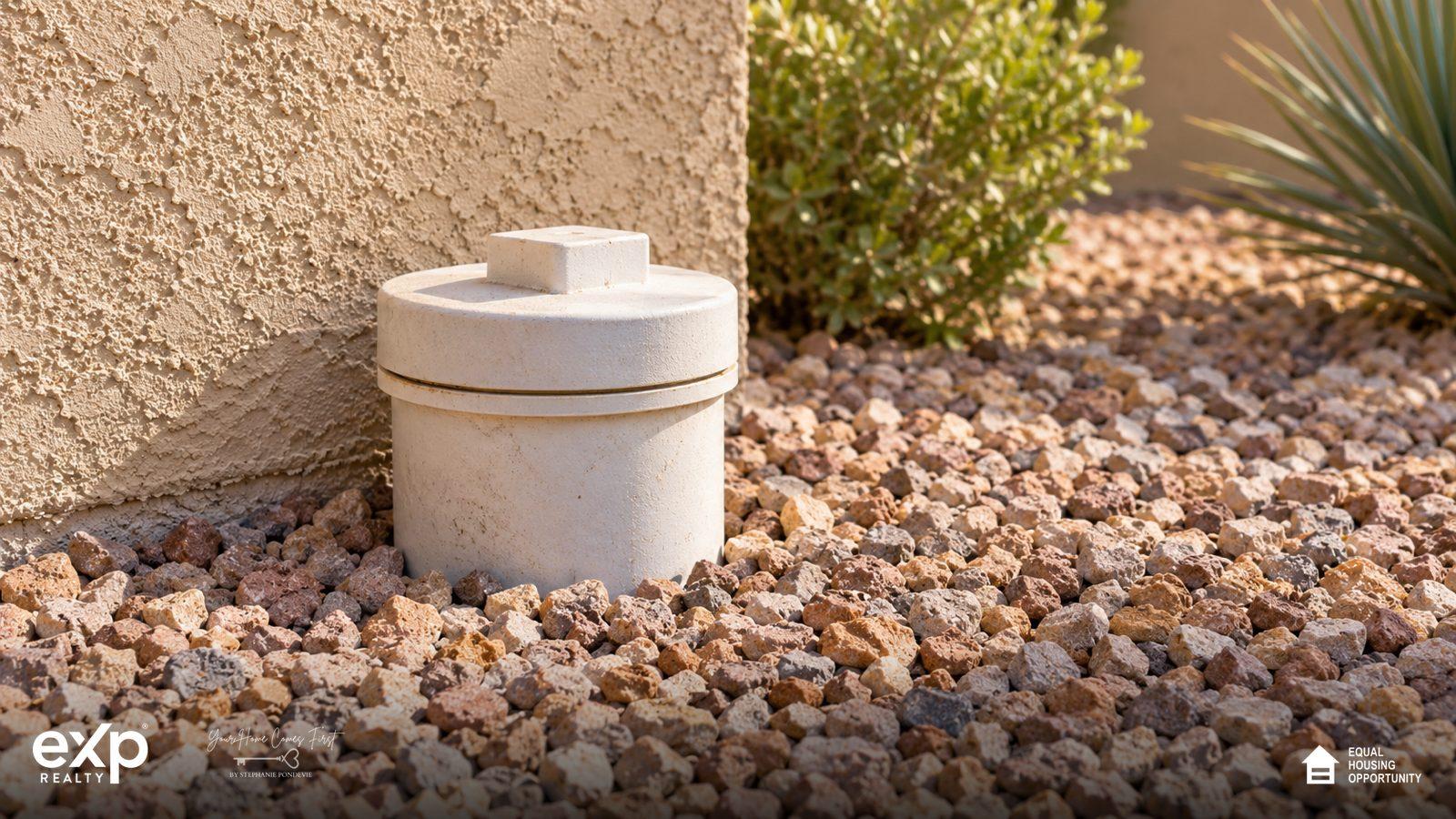
The inspector feeds a camera on a flexible cable into the line, usually through a cleanout near the house, and records video as it travels toward the street. The recording shows the inside of the pipe and the inspector's notes mark distance and findings.
Common findings include:
- Root intrusion. Tree and shrub roots find small gaps in pipe joints and grow into the line.
- Bellies. A section of pipe that has sagged, so waste and water collect in a low spot instead of flowing.
- Offsets and separated joints. Sections that have shifted out of alignment.
- Cracks, breaks and collapses. Damaged pipe, sometimes partial and sometimes severe.
- Corrosion or scale. Buildup inside older metal pipe.
- Debris and blockages. Grease, wipes, or other material that restricts flow.
- Pipe material. The scope often shows what the line is made of, which tells you something about its age and likely behavior.
You get a video file and a written report. Keep both. If you need a repair estimate, the plumber will want to see the video.
Why does this matter in Scottsdale specifically?
Scottsdale has a wide range of home ages, from older neighborhoods to newer construction. Sewer lines age with the house, and the materials used decades ago behave differently from modern plastic pipe.
Landscaping also plays a role. Mature trees are part of what buyers like about many established lots, and those same roots are a common source of sewer line trouble.
The price point raises the stakes too. As of October 2026, Scottsdale's median sale price was $981,305, up 10.9% year over year, according to ARMLS. In the same month, the city had 4.58 months of supply and 2,553 active listings. That combination gives many buyers some room to ask for repairs or credits, and it means a sewer finding is worth discovering during the inspection period, while you still have options, rather than after closing, when you own the problem.
Who is responsible for which part of the line can vary. Generally, the homeowner is responsible for the private portion of the line between the house and the public sewer, but the exact point where private responsibility ends is a question for the City of Scottsdale or the relevant utility. Ask before you assume.
When should you order it?
Inside your inspection period, and early in it.
Under the standard Arizona residential resale contract, buyers have an inspection period, commonly 10 days unless the contract says otherwise, to complete inspections and submit any repair request. A sewer scope finding can lead to a plumber's estimate, a second opinion, or a conversation with your lender or insurance agent. Each of those takes time. If you order the scope on day eight, you may run out of days.
A practical sequence:
1. Schedule the general inspection and the sewer scope at the start of the inspection period, ideally the same day or close to it. 2. Confirm access. The inspector needs a cleanout. If there is no accessible cleanout, the inspector may need to access the line another way, and some will not. Ask when you book. 3. Watch the video, not just the summary. The inspector can walk you through it. 4. If there is a significant finding, get a plumber's estimate before your inspection period ends. A repair request is stronger with a written number behind it. 5. Decide what to ask for. Repair, credit, price adjustment, or in a serious case, whether to cancel within the inspection period under your contract's terms.
What do you do with the results?
A clean scope is good news, and the cost of the inspection bought you certainty.
Minor findings, such as light roots or debris, may call for cleaning and monitoring. Many buyers note these and move on, or ask for the line to be cleared before closing.
Moderate findings, such as a belly or an offset joint, often lead to a plumber's opinion. Some bellies are minor. Some cause recurring backups. The plumber's assessment is what tells you which.
Serious findings, such as a break, a collapse, or a long section of failing pipe, can mean a significant repair, sometimes involving digging up part of the yard or the driveway. That becomes a negotiation, and sometimes a reason to reconsider.
In Arizona, repair requests are typically made through the Buyer's Inspection Notice and Seller's Response, often called the BINSR. The seller can agree, refuse, or counter. Your agent handles that exchange with you, using the inspector's video and the plumber's estimate.
Two related notes. Check whether the seller's disclosure mentions past sewer issues or repairs, and ask whether there are receipts. And ask your insurance agent how your homeowners policy treats sewer line problems and sewer backup, because coverage varies and is often limited or added by endorsement.
What would Stephanie tell a buyer about this?
Here's what I'd do if this were my house. On an older Scottsdale home, or any home with big trees in the front yard, I would add the sewer scope without much debate and book it the same day as the general inspection. The fee is small next to the cost of a line replacement, and the inspection period is the only window where that finding gives you leverage.
On a newer home, I would still consider it, especially if it sat vacant for a while. And I would always watch the video myself.
That approach fits how Stephanie works with move-up buyers generally. The purchase is the next chapter of a plan that started with selling a current home, and a surprise repair after closing affects the whole budget, not just the new house.
A realistic scenario
Here is a hypothetical. A buyer is under contract on an established Scottsdale home with mature trees along the front. The general inspection looks fine. The buyer adds a sewer scope on the second day of the inspection period.
The video shows heavy root intrusion at two joints and a low section near the street. The buyer gets a plumber's estimate within a few days. With that estimate in hand, the buyer submits a repair request asking the seller to repair the line or provide a credit.
The seller counters with a partial credit. The buyer accepts, closes, and schedules the repair. Without the scope, the first sign of the problem might have been a backup months after moving in, with no seller to negotiate with.
Stephanie Pondevie is a Realtor in Scottsdale, Arizona, helping move-up families sell their current home and buy the next one as one coordinated plan, and an early, complete inspection schedule is part of how she keeps a purchase on track.
Common mistakes buyers make with sewer scopes
Assuming the general home inspection covered the sewer line.
Ordering the scope too late in the inspection period to get a plumber's opinion.
Reading only the summary and never watching the video.
Not confirming whether the home is on city sewer or septic.
Asking for a repair with no written estimate behind the request.
Skipping it on a vacant home, where problems may not have shown up because nobody was using the plumbing.
Not asking the insurance agent how sewer issues are covered.
The bottom line
A sewer scope is a camera look at a pipe you cannot otherwise see, and for many Scottsdale homes it is worth adding to the inspection list. Order it early in the inspection period, watch the footage, and get a plumber's estimate for anything significant before your deadline. If the home is on septic, you need a septic inspection instead.
If you are planning a Scottsdale purchase and want a complete inspection plan before you write an offer, start at https://yourhomecomesfirst.com/opt-in or contact Stephanie at (480) 264-0075.
Frequently asked questions
Does a home inspection include the sewer line?
A standard home inspection generally does not include a camera inspection of the sewer line. Some inspectors offer a sewer scope as an add-on, and others refer it to a separate company. Ask when you book.
How much does a sewer scope cost in Scottsdale?
Pricing varies by company and by access to the line. Get a quote when you schedule your inspections, and ask whether the price includes a video file and written report.
Can I cancel a purchase over a sewer scope finding?
That depends on your contract and timing. Under the standard Arizona resale contract, buyers have rights during the inspection period. Talk with your agent before your deadline, and consult an attorney for legal questions about your specific contract.