2026-11-02 · 7 min read · Chandler
What Repairs Do Lenders Actually Require Before Closing on a Chandler Home?
What is the direct answer?
There are two completely different kinds of repair request in a home sale, and sellers often treat them as one. A buyer's inspection request is negotiable. A lender's condition is not. If the appraiser notes something the loan program requires corrected, the loan does not fund until it is corrected, regardless of what you and the buyer agreed.
That difference changes your options. You can decline a buyer's repair request and keep the deal alive through negotiation. If you decline a lender's condition, the buyer either has to change loan programs, pay cash for the difference, or the transaction does not close.
The practical lesson is to find these items before you list rather than during escrow. As of September 2026, Chandler homes that sold went under contract in a median of 48 days, with the city at 3.03 months of supply, according to ARMLS. A well-positioned Chandler home can go under contract quickly, and then you are solving a roof problem on a deadline.
Stephanie Pondevie is a Realtor in Chandler, Arizona, helping move-up families sell their current home and buy the next one as one coordinated plan.
What kinds of conditions actually come up?
Requirements differ by loan program and by lender, and they do change, so the only reliable answer for a specific transaction comes from the buyer's lender. The categories that come up most often are these.
Roof condition. The most common one. An appraiser noting active leaks, visible deterioration, or a roof near the end of its service life can trigger a condition requiring repair or a professional roof certification.
Peeling or chipping paint, particularly on homes built before 1978, where lead-based paint rules apply to some loan programs.
Exposed or unsafe wiring, an open or improperly covered electrical panel, missing outlet covers, or visibly damaged service equipment.
Non-functioning mechanical systems. Heating that does not work, and in Arizona often air conditioning, since cooling is a habitability matter here rather than a comfort one.
Plumbing leaks, no running water, or a non-functioning water heater. Missing or improperly installed safety devices on a water heater also come up.
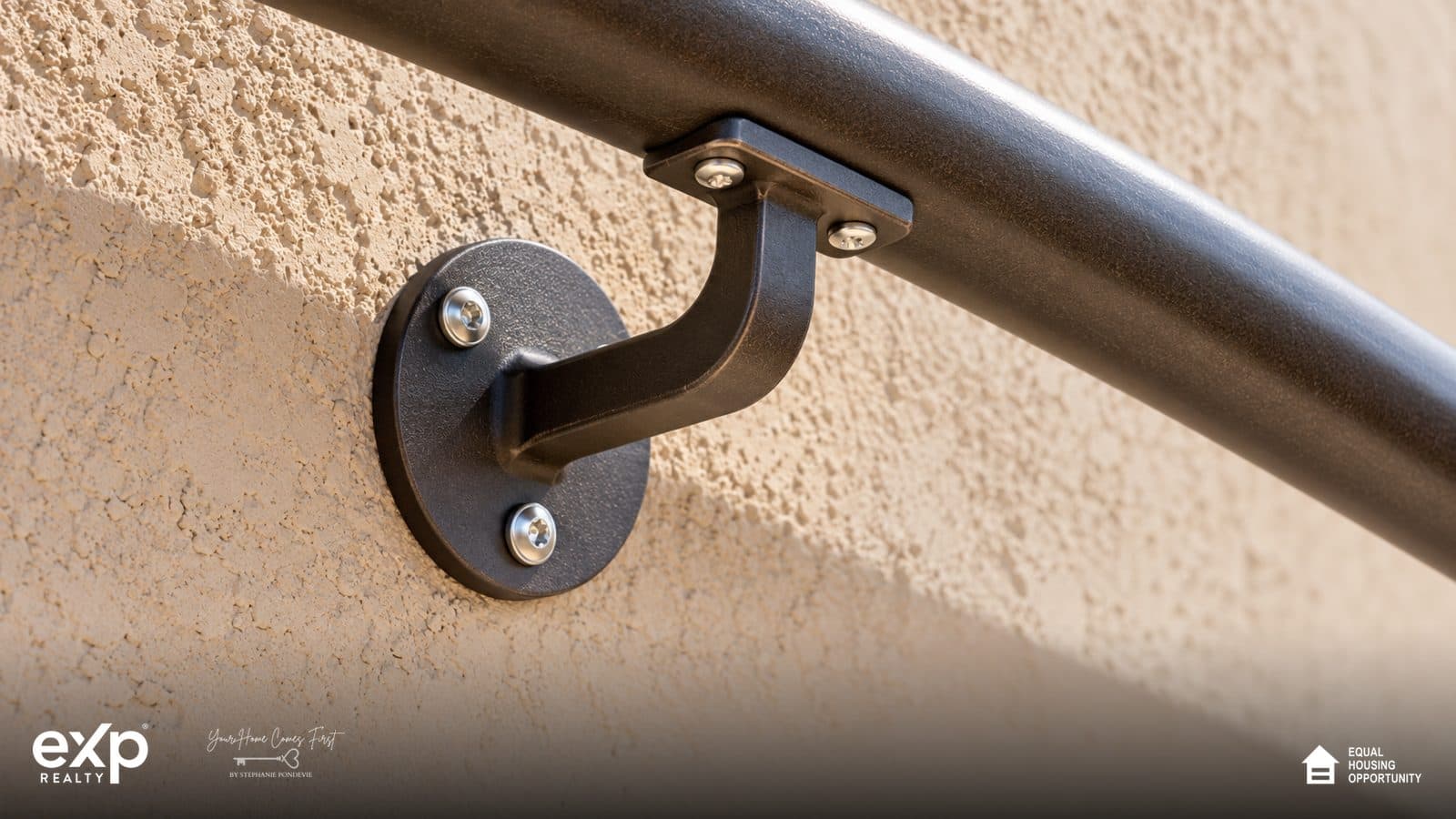
Missing handrails on stairs, broken steps, or unsafe decking.
Broken windows, or windows that do not operate.
Visible evidence of active termite infestation or structural damage.
Standing water or evidence of moisture intrusion under the home or against the foundation.
Pool safety features, depending on the program and local requirements.
Missing smoke or carbon monoxide detectors, depending on the program.
The pattern across all of them is health, safety, structural soundness, and habitability. A dated kitchen is never a lender condition. A missing handrail can be.
Who pays for a lender-required repair?
This is negotiated, and it is worth settling before it becomes urgent.
In practice the seller frequently ends up paying, for a simple reason: the repair has to happen for the transaction to close, and the seller is the one who owns the house. A buyer who has already committed their funds to the down payment often cannot absorb an unplanned repair.
There are other arrangements. A buyer may pay and receive a credit elsewhere. The cost may be shared. In some cases an escrow holdback is possible, where funds are set aside at closing for a repair completed afterward, though whether that is permitted depends on the loan program and the lender, and it is less commonly available than sellers hope.
What generally does not work is a seller credit in place of the repair. On a lender condition, the lender typically needs the work done and documented, not compensated for. Confirm this with the buyer's lender rather than assuming a credit will satisfy it.
How do you find these before you list?
This is the entire point, and it is inexpensive.
Get a pre-listing inspection. The most direct way to surface the health, safety, and system items a lender would flag. It also changes what you are required to disclose, so discuss the disclosure implications with your agent before ordering one.
Have the roof looked at by a roofing contractor, separately, if it has any age on it. Roof condition is the single most common lender condition and the most expensive surprise.
Have the AC serviced and get the report. In Chandler this matters both for the lender and for buyer confidence.
Walk the house looking for the small items specifically. Outlet covers, handrails, a loose stair tread, a window that will not open, a dripping hose bib, exposed wiring in the garage, the water heater's safety devices. These are cheap and they are exactly what gets flagged.
Get a wood-destroying pest inspection. Standard practice in the East Valley, and active infestation is a condition on some programs.
Clear peeling exterior paint, particularly on an older home.
Address standing water or drainage against the foundation.
Check the pool safety features if you have a pool.
Nearly every item on that list is inexpensive to fix on your own schedule and expensive to fix on a buyer's deadline.
How does this change depending on who your buyer is?
A cash buyer has no lender, so there are no lender conditions at all. There is still an inspection period, and a cash buyer may ask for repairs, but nothing is required by a third party.
Different loan programs have different standards. Some government-backed programs are more attentive to property condition than conventional financing typically is. This means the same house can sail through with one buyer and generate conditions with another.
That is worth knowing when you compare offers. Two offers at the same price may carry different repair exposure, and on a home with an aging roof that is a real difference in your net.
If your home has known condition issues, this becomes part of how you evaluate offers rather than something you discover after you accept one.
What would you actually tell a seller about this?
Here is what I'd do if this were my house. I would spend a Saturday and a few hundred dollars on the small stuff before the photographer arrives. Outlet covers, handrails, a window that sticks, the hose bib, the water heater straps. Those are the items that show up on a lender's list, and fixing them in advance costs almost nothing.
Then I would get the roof looked at if it had any age on it, and I would get the AC serviced and keep the paperwork. Those two are the expensive surprises in Chandler, and a documented recent service record does real work with both the appraiser and the buyer.
And when I compared offers, I would factor in the loan program, not just the price. On a home with a fifteen-year-old roof, two identical prices are not identical outcomes.
Let's run your real numbers, not a guess. A roof condition discovered at day 35 of a 45-day escrow is a different financial event from the same roof handled in the month before listing.
What mistakes do Chandler sellers make with lender-required repairs?
Treating a lender condition as negotiable the way a buyer's repair request is.
Offering a credit instead of the repair, when the lender needs the work completed and documented.
Skipping the small, cheap safety items that are exactly what gets flagged.
Not having the roof evaluated before listing on a home where it has real age.
Comparing offers on price without considering the loan program's property condition standards.
Assuming an escrow holdback will be available, when it is program-dependent and frequently is not.
Finding all of it during escrow, which converts a weekend of work into a deadline and a renegotiation.
Not keeping documentation of repairs and service, which is what satisfies the lender and reassures the buyer.
The bottom line
A buyer's repair request is a negotiation. A lender's condition is a requirement, and declining it means the loan does not fund. The items that trigger conditions are health, safety, structural, and habitability matters, with roof condition leading the list, and nearly all of the small ones are cheap to handle before you list.
With Chandler at 3.03 months of supply and a 48-day median time to contract as of September 2026, a well-prepared home here can go under contract fast. Doing this work in the month before listing, rather than in the third week of escrow, is the whole difference.
Frequently asked questions
Can I refuse a lender-required repair?
You can decline, but the loan generally will not fund without it, so the buyer would have to change loan programs, cover it themselves, or the transaction does not close. That makes it a different situation from a buyer's inspection request, which is genuinely negotiable.
Can I give a credit instead of making a lender-required repair?
Usually not. On a lender condition, the lender typically needs the work completed and documented rather than compensated for. An escrow holdback is sometimes possible but depends on the loan program and the lender, so confirm with the buyer's lender rather than assuming.
What repair do appraisers flag most often?
Roof condition. Active leaks, visible deterioration, or a roof near the end of its service life can trigger a requirement for repair or a professional roof certification. It is also the most expensive one to discover mid-escrow, which is why a roofing contractor's opinion before listing is worth getting.