2026-11-25 · 8 min read · Gilbert
What Should a Gilbert New-Build Buyer Do Before the 11-Month Warranty Walkthrough?
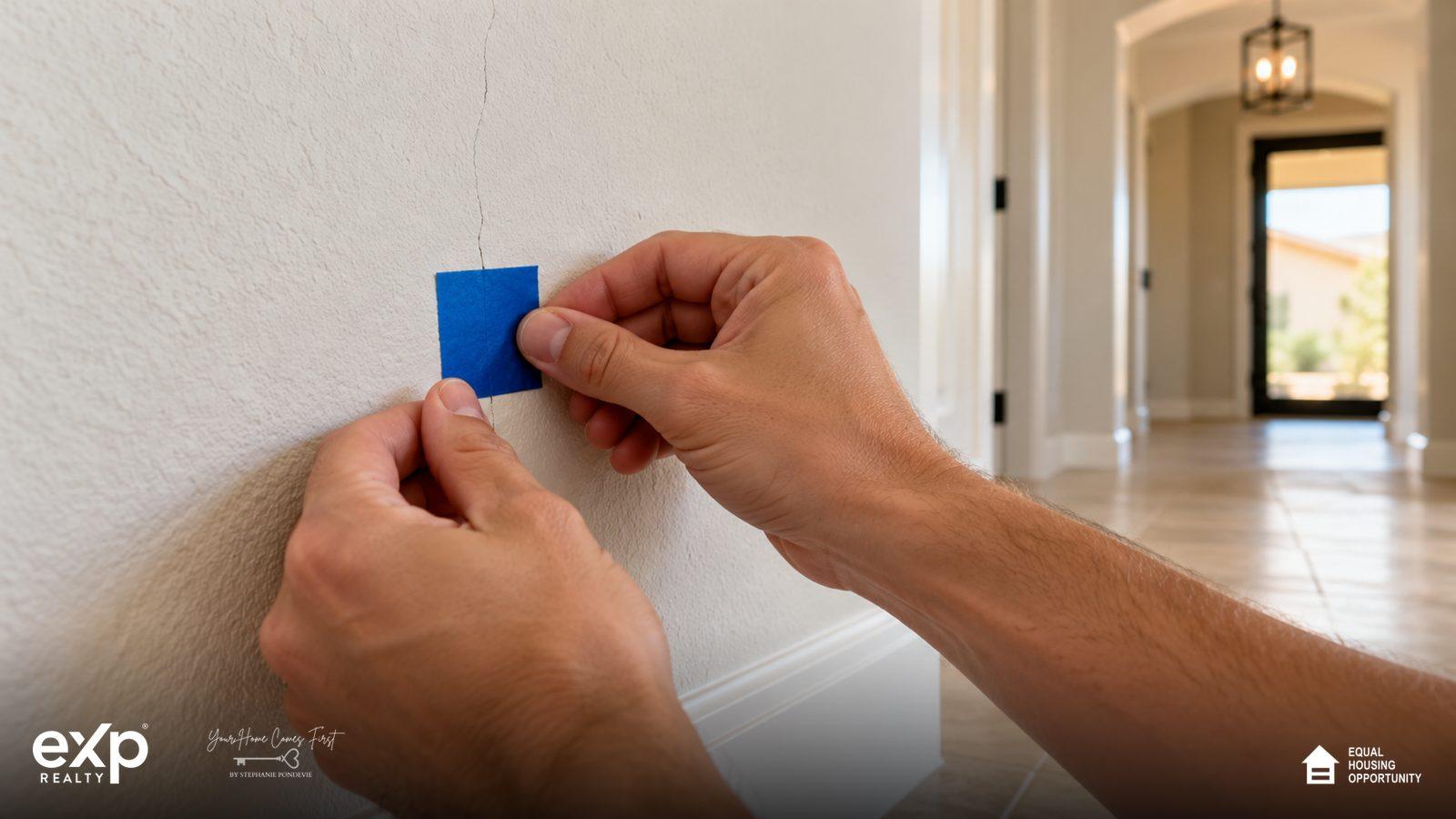
What is the direct answer?
Start preparing about two months before your first-year warranty ends. Read your warranty document to confirm exactly what is covered and when each coverage period ends, keep a running list with photos of every issue you have noticed, consider hiring an independent home inspector to do a warranty inspection, and submit everything to the builder in writing, in the format the builder requires, before the deadline.
The 11-month walkthrough is usually your last convenient chance to get workmanship and finish items fixed under the builder's broadest coverage. After that, many warranties narrow to specific systems and then to structural items only. A careful list submitted on time is worth far more than a long list submitted a week late.
Stephanie Pondevie is a Realtor in Gilbert, Arizona, helping move-up families sell their current home and buy the next one as one coordinated plan.
What is the 11-month walkthrough, exactly?
Many builders schedule a walkthrough with a warranty representative shortly before the end of the first year. The timing is deliberate. Most new-home warranties are tiered, and the first tier, which often covers workmanship and materials such as drywall, paint, trim, doors and cabinets, commonly lasts about a year.
Longer tiers for systems like plumbing, electrical and HVAC, and a longer structural tier, are also common. But the exact periods, what counts in each tier, and how claims must be submitted vary by builder and by the warranty company the builder uses.
That is why the first step is not the walkthrough. It is the document.
What should you read before anything else?
Find the warranty booklet or the warranty section of your purchase agreement and answer these questions:
- When exactly does each coverage period start and end? Usually the closing date starts the clock, but confirm it.
- How must claims be submitted? Online portal, email, a specific form? A conversation with the superintendent on your street may not count.
- What is excluded? Normal settling cracks under a certain width, landscaping, and homeowner maintenance items are common exclusions.
- What are your maintenance obligations? Many warranties require the owner to maintain grading, caulking, filters and drainage. Failing to do so can affect coverage.
- Is there a dispute process? Some builder agreements include arbitration or a required notice process.
If anything in the document is unclear, ask the builder's warranty department in writing. If a dispute develops, a real estate attorney can explain your rights.
What does a smart preparation timeline look like?
About 60 days before the deadline
- Start a single list, in a notes app or spreadsheet, room by room.
- Photograph each item with a date.
- Call an independent inspector and book a warranty inspection. Many inspectors offer an 11-month inspection specifically for new builds.
About 30 to 45 days before
- Have the inspection done. An inspector will check items you are unlikely to see yourself: the attic, roof surfaces, electrical panel, plumbing under sinks, the AC system, grading and drainage.
- Combine the inspector's findings with your own list.
- Remove duplicates and organize by location.
About 2 to 3 weeks before
- Submit the full list in writing through the builder's required channel.
- Keep a copy and a record of the date you sent it.
- Confirm the walkthrough appointment.
At the walkthrough
- Walk through with your list and the inspection report.
- Ask the representative to note each item and what action will be taken.
- Ask for a written summary afterward.
What should go on the list in a Gilbert home?
Some items show up in many first-year homes. Some are worth extra attention because of the Arizona climate. Look for:
Interior finishes: drywall nail pops and cracks, paint touch-ups, doors that stick or do not latch, cabinet doors that are out of alignment, grout or caulk gaps in showers and tubs, and flooring that has lifted or separated.
Exterior: stucco cracks, gaps around windows and doors, gates that drag, and fence or wall issues where the builder installed them.
Drainage and grading: water pooling against the foundation after a monsoon storm, downspouts or scuppers that dump water toward the house, and soil that has settled near the slab. Grading problems near the foundation are worth taking seriously.
Roof: damaged or displaced tiles, which are common after the first monsoon season.
AC and ductwork: rooms that never cool evenly, airflow that seems weak in certain rooms, and condensate lines that drip in the wrong place. A first summer in Gilbert is a real test of an AC system, so write down what you noticed in July and August.
Plumbing: slow drains, leaks under sinks, water heater issues, and low water pressure in specific fixtures.
Electrical: outlets or switches that do not work, GFCI outlets that trip often, and exterior lights that were never connected.
Should you hire an independent inspector if you already had one before closing?
Usually, yes. The first year is when settling, the first summer and the first monsoon season reveal things that were not visible at completion. An independent inspector works for you, not the builder, and their written report gives the builder's warranty team specific, professionally described items to respond to.
The cost of a warranty inspection is typically modest compared with the cost of fixing even one significant issue yourself after coverage ends. Ask the inspector whether their report can be formatted to match your builder's submission process.
What if the builder says no?
Some items will be accepted right away. Some will be called normal or excluded. Some will be disputed.
When there's a will, there's a way. If you believe an item is covered and the builder disagrees, ask for the reason in writing and the specific warranty language they are relying on. Respond in writing with your inspector's description and photos. Keep the tone factual. Most disagreements get resolved by documentation, not by frustration.
If a dispute cannot be resolved, the warranty document will describe the next step. The Arizona Registrar of Contractors handles complaints against licensed contractors in some situations, and an attorney can tell you whether that or another route applies to your case.
Why does this matter for a future sale?
A new build in Gilbert today may be your current home in a few years when you move up again. Repairs completed and documented under warranty make that future sale cleaner, and a future buyer's inspector will find fewer surprises.
It also matters because Gilbert has more choice for buyers than it did a year ago. As of October 2026, Gilbert had 3.69 months of supply, up 23.4% from a year earlier, and 985 active listings, according to ARMLS. The median sale price was $599,500, up 5.2% year over year. In a market where buyers have more options, a well-maintained home with a paper trail of completed warranty repairs is easier to defend at its price.
Keep a folder with the warranty documents, the inspection report, your submitted list, the builder's responses and any invoices. That folder is useful when you sell.
Stephanie Pondevie is a Realtor in Gilbert, Arizona, helping move-up families sell their current home and buy the next one as one coordinated plan. For a new-build owner thinking about a future move, that paper trail is one of the first things worth gathering.
What does a realistic scenario look like?
Here is a hypothetical. A couple closed on a new build in Gilbert last December. Over the year, they noticed a few nail pops, a bedroom that stayed warmer than the rest of the house in summer, a gate that dragged, and water pooling near the back patio after storms.
In October, they booked an independent 11-month inspection. The inspector added cracked roof tiles, a missing insulation section in the attic above the warm bedroom, and a loose condensate line.
They combined the lists, submitted them through the builder's portal three weeks before the deadline, and attended the walkthrough with the report. Most items were accepted. The drainage item was initially disputed, so they replied in writing with the inspector's photos, and the builder sent someone to regrade the area.
None of that required a fight. It required a calendar reminder, a written list and a professional report.
What mistakes do Gilbert new-build owners make?
Missing the deadline. A list submitted after the coverage period ends may not be honored.
Reporting verbally only. Tell the superintendent if you like, but submit everything through the official channel too.
Skipping the independent inspection. You will not see the attic, the roof or the panel the way an inspector does.
Ignoring drainage. Water against the foundation is easy to dismiss and expensive later.
Not reading the maintenance obligations. Some warranties expect owners to maintain specific items, and neglect can affect coverage.
Throwing out the paperwork. Keep every response and invoice for your records and for a future sale.
The bottom line
The 11-month walkthrough is the most valuable hour of your first year in a new Gilbert home. Read the warranty, start your list early, hire an independent inspector, submit everything in writing before the deadline, and keep every document.
If you are thinking about your next move and want to know how the condition and paperwork of your current home affect it, start at https://yourhomecomesfirst.com/opt-in or contact Stephanie at (480) 264-0075.
Frequently asked questions
Do I need an inspection before my 11-month builder walkthrough in Gilbert?
It is not required, but it is usually worth it. An independent inspector can check the attic, roof, electrical panel, plumbing and AC, and provide a written report that gives the builder specific items to respond to before first-year coverage ends.
What happens if I miss the 11-month walkthrough?
It depends on your warranty. Many first-year coverages end on a fixed date, so items reported after that may not be covered. Check your warranty document for exact dates and submission rules, and submit in writing as early as you can.
Are stucco cracks covered under a new-home warranty?
It depends on the builder's warranty terms. Some cracks are treated as normal settling unless they exceed a certain size, while others may be covered. Check the warranty language and have your inspector describe the cracks in writing.