What's the Best Time of Year to Sell a Home in Maricopa County, AZ?
What's the Best Time of Year to Sell a Home in Maricopa County, AZ?
If you want the shortest, most competitive path to a sale, listing between late January and April usually gives you the biggest pool of buyers in Maricopa County — that's snowbird season winding into spring, when out-of-state buyers, families beating the summer heat, and investors are all shopping at once. But "best" really depends on your home, your price point, and your goals, and for a lot of sellers, a different month works just as well or better. Let's walk through why timing works differently here than almost anywhere else, and how to figure out what's actually best for you.
Why Timing Matters More in Maricopa County Than Elsewhere
Most of the country follows a fairly predictable "spring is best" pattern. Maricopa County has that same spring bump, but it's layered on top of something most markets don't deal with: a massive seasonal population swing. Hundreds of thousands of snowbirds and part-year residents come through the Valley between October and April, and a good chunk of them are shopping for a home while they're here — whether that's a first Arizona purchase, an upgrade, or a permanent move after years of renting seasonally.
Then there's the flip side: our summers. Once temperatures push past 105–110 degrees in June, July, and August, in-person showings get harder to schedule, buyer enthusiasm cools even as the sidewalks heat up, and monsoon season adds its own unpredictability with dust storms and flash flooding that can complicate move days and inspections. None of that means summer sales don't happen — they do, all the time — but it does shift the calculus.
A Season-by-Season Look at the Maricopa County Market
January Through March: Snowbird Season Peaks
This is when the Valley's population swells the most. Snowbirds who've been renting or staying with family are actively looking to buy, retirees are touring during their winter stay, and the weather is genuinely one of Maricopa County's best selling points — 70-degree days sell backyards and pools better than any listing description can. Inventory tends to rise in this window too, so while buyer traffic is strong, you're also competing with more sellers.
April and May: The Spring Push
Families with school-age kids start house hunting in earnest here, aiming to close before the school year ends so they can move over summer break. This is traditionally one of the strongest windows for days-on-market and sale-price-to-list-price ratio in most Arizona submarkets. It's also before the heat really sets in, so your home shows at its best — landscaping is green, pools look inviting, and buyers aren't rushing showings to get back to air conditioning.
June Through August: The Summer Slowdown
Buyer traffic typically drops during peak heat. Families who needed to move before school started have usually already closed, snowbirds have left for the season, and showings often get pushed to early morning or evening to avoid the worst of the heat. That said, summer isn't dead — relocation buyers (especially corporate transfers and military families with PCS orders) still need to move on a timeline that has nothing to do with weather, and serious buyers who are house hunting in August tend to be motivated. If your home needs to sell in summer, it can, it just may take a bit longer and benefit more from sharp pricing.
September and October: A Second Wind
As temperatures start easing and snowbirds begin trickling back in ahead of the winter season, buyer activity typically picks back up. This shoulder season is often underrated — less competition from other sellers than the spring rush, but a real uptick in serious buyers.
November and December: The Quiet Stretch
Holidays slow everything down nationally, and Maricopa County is no exception. Buyer traffic is lower, though the buyers who are out looking during the holidays are often quite motivated — relocations, lease expirations, or year-end tax and financial planning can all be driving them. Homes do sell in this window, but you'll generally see fewer showings and may need more patience.
Factors That Matter More Than the Calendar
Season is one input, not the whole answer. A few things tend to matter more:
Your Price Point
Higher-value homes — say $600K and up — don't follow the same rhythm as entry-level inventory. Luxury buyers are often relocating on their own timeline, less tied to the school calendar, and more influenced by when they're in town, when financing clears, or when their current home sells. For a $900K listing in Paradise Valley or north Scottsdale, a well-timed winter listing that catches snowbird buyers in town can outperform a "textbook" spring listing that gets lost in a flood of competing inventory.
Interest Rates and Broader Market Conditions
Rate movement can shift buyer urgency more than the season does. A rate drop in October can generate more serious activity than a "peak" April with rates sitting high. It's worth checking where rates and local inventory stand before locking in a listing date.
Your Home's Condition and Curb Appeal
A home with a lush, well-maintained yard shows dramatically better in February than in August, when even hardy desert landscaping can look stressed. If your home's strongest selling point is outdoor living space — a pool, a covered patio, mature landscaping — leaning into cooler months plays to your strength.
Your Own Timeline
If you're relocating for a job, closing on a purchase elsewhere, or need to sell for financial reasons, your timeline often matters more than market seasonality. A well-priced, well-marketed home in the "wrong" season still sells — it just may take a different strategy.
Steps to Decide When to List Your Home
- Start with your own timeline first. If you have a hard deadline — a job relocation, a new construction closing, a lease ending — that usually overrides seasonal strategy.
- Look at current local inventory and days-on-market trends for your specific city and price range, not just countywide averages. Gilbert, Sun City, and downtown Phoenix all move differently.
- Factor in your home's strengths. A stunning pool and backyard argue for listing before the heat hits. A newly renovated interior with strong curb appeal is less season-dependent.
- Check where rates and buyer demand stand right now rather than assuming a "typical" seasonal pattern will hold.
- Talk through pre-listing prep timing. If your home needs repairs, staging, or professional photos, work backward from your ideal list date so you're not rushing the presentation.
Common Mistakes Sellers Make With Timing
The biggest one is waiting for a "perfect" month that may never come, while carrying costs — mortgage, insurance, utilities — keep adding up. A home that's ready to sell in July usually nets more by listing now than by sitting empty for six months waiting for spring.
Another common mistake is assuming every part of Maricopa County follows the same rhythm. A 55+ community in Sun City or Sun City West often sees stronger winter activity than a family-heavy suburb like Queen Creek, where spring and early summer (timed around the school year) tend to dominate. Timing advice that's right for one submarket can be off for another.
Sellers also sometimes underestimate how much staging and preparation timelines eat into their ideal window. If you're aiming for a February list date but haven't started decluttering, painting, or scheduling photos until January, you may end up rushing the parts of the process that actually move the needle on sale price.
Two Real-World Scenarios
Scenario one: A family in Chandler needs to relocate for a new job starting in July. Conventional wisdom says summer is a slower selling season, and their instinct is to wait until fall. But their moving deadline doesn't move. In this case, pricing accurately from day one, making sure the home is genuinely showing-ready (not just "listed"), and marketing to relocation and corporate-transfer buyers who are shopping regardless of season is a stronger strategy than waiting out the calendar.
Scenario two: A retired couple in Sun City is downsizing and isn't in a rush. For them, waiting until January or February to list — right as snowbird season peaks and their community sees the most buyer traffic — makes real sense. Their flexibility means they can afford to be strategic about timing in a way the relocating family can't.
Local Notes Worth Knowing
A few Maricopa County-specific patterns worth keeping in mind: snowbird-heavy areas like Sun City, Sun City West, and parts of Scottsdale tend to see winter buyer surges that other submarkets don't. Family-oriented suburbs like Gilbert, Chandler, and Queen Creek lean more heavily on the spring, school-calendar-driven rhythm. And higher-value neighborhoods in Paradise Valley and north Scottsdale often see buyer activity spread more evenly across winter and spring, since many of those buyers are relocating on personal timelines rather than a school-year schedule.
Frequently Asked Questions
Is spring really the best time to sell in Maricopa County?
For a lot of sellers, yes — spring tends to bring the most buyer traffic and, in many years, the strongest sale-price-to-list-price ratios. But it's not universal. Your price point, neighborhood, and personal timeline all factor in, and a well-prepared listing in a "slower" month often outperforms a rushed one in "peak" season.
Can I still sell my home in July or August?
Absolutely. Summer sales happen constantly in Maricopa County, especially among relocation and corporate-transfer buyers. You may see fewer showings and need sharper pricing, but a well-marketed home still sells.
Does the monsoon season affect selling?
It can add some logistical wrinkles — dust storms and flash flooding can occasionally delay showings, inspections, or moving trucks — but it doesn't meaningfully affect buyer demand. Plenty of successful closings happen right through monsoon season.
Should I wait for interest rates to drop before listing?
Not necessarily. Waiting on rates means carrying your current home longer, and rate movement is hard to predict. It's worth understanding where rates stand and how they're affecting local buyer activity, but timing a listing purely around a rate forecast is risky.
Do higher-value homes sell differently by season than starter homes?
Often, yes. Luxury and higher-value buyers ($600K and up) tend to be less tied to the school-year calendar and more influenced by when they're relocating, when financing is in place, or when they're physically in town — which in Maricopa County often lines up with snowbird season.
What if I need to sell but my home isn't ready to list yet?
Work backward from your ideal window. If repairs, decluttering, or staging will take a few weeks, start now rather than waiting until the "perfect" month arrives and then rushing preparation, which usually costs more in the end than it saves.
How do I know what's the right timing for my specific situation?
This is really where local, home-specific guidance matters more than general seasonal rules. Pricing strategy, your neighborhood's buyer pool, and your own timeline all factor in together.
Ready to Talk Timing?
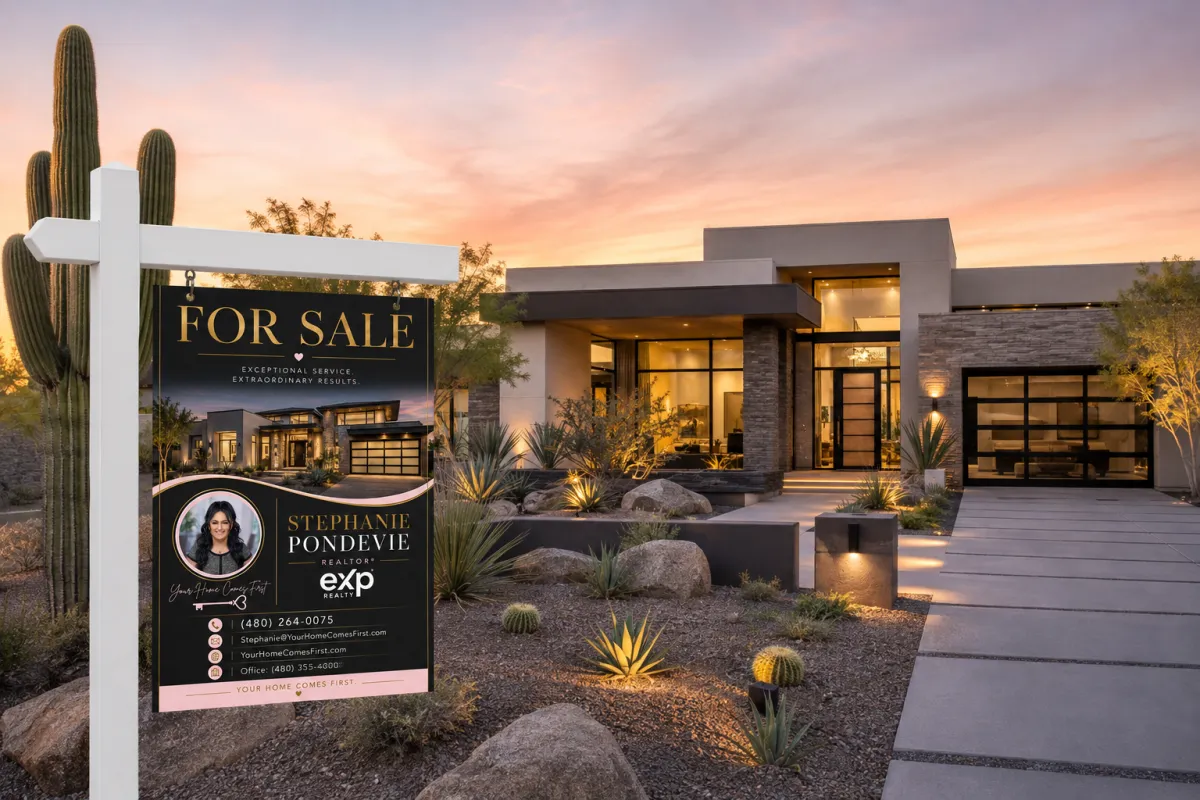
Stephanie Pondevie is a bilingual REALTOR® in Maricopa County, AZ, helping sellers figure out not just when to list, but how to price, prepare, and market a home so it sells on their timeline — whether that's this month or next spring. If you're weighing when to sell your home in Maricopa County, reach out through yourhomecomesfirst.com for a straightforward conversation about your specific situation, your neighborhood, and your goals.